Substance Abuse
Delta 8 Withdrawal: Symptoms, Timeline, and Management
Delta 8 withdrawal can cause irritability, anxiety, poor sleep, and cravings for one to two weeks after regular use. See the timeline and coping tips.

Delta 8 withdrawal can cause irritability, anxiety, poor sleep, and cravings for one to two weeks after regular use. See the timeline and coping tips.
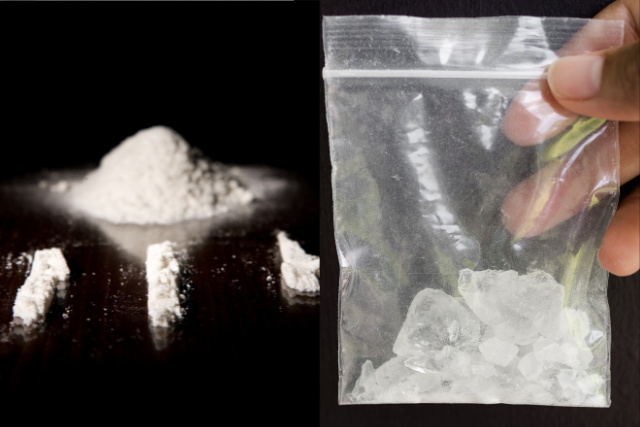
Speed vs meth: speed usually means amphetamine, while meth is methamphetamine, a stronger and longer-lasting stimulant. Compare effects and risks.
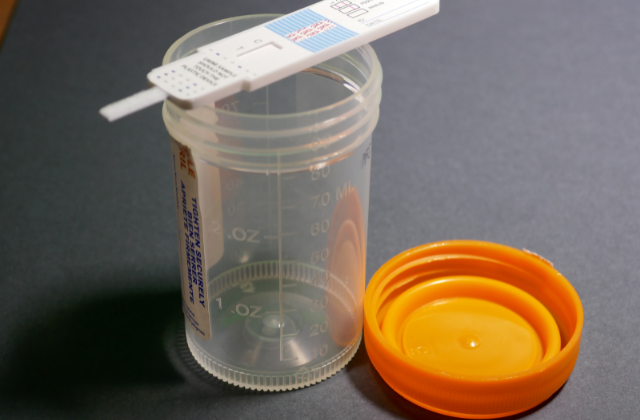
Meth usually shows up in urine for 2 to 5 days, longer with daily use, and in hair for up to about 90 days. See saliva and blood windows too.
Weed can stay in your system for a few days to over a month after quitting. Daily users may test positive in urine for weeks.
Ketamine usually shows up in urine for a few days, while lab tests may find its metabolites for up to about two weeks. See blood, saliva, hair times.
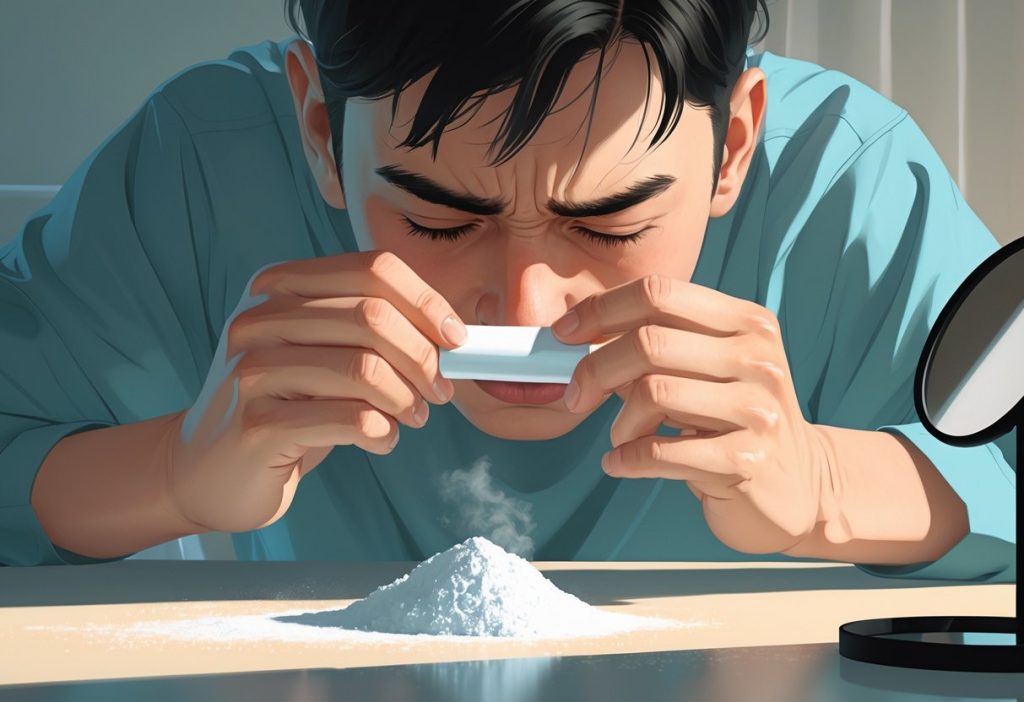
Snorting meth can damage your nose and sinuses, strain your heart, and lead to addiction, psychosis, and overdose. Learn the dangers and get help.
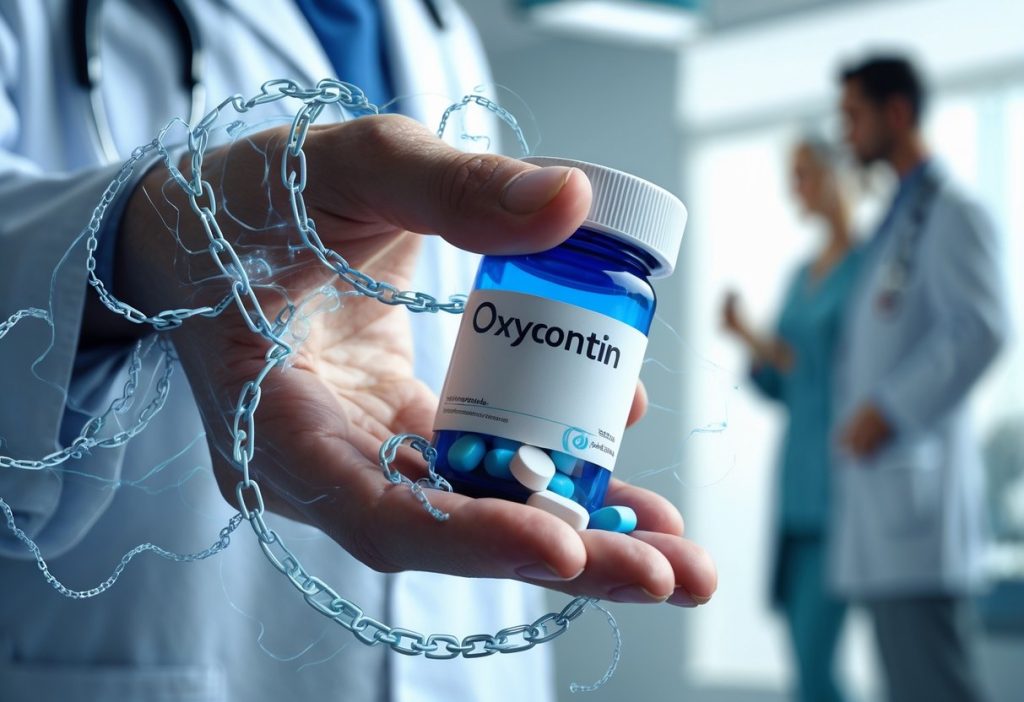
Is OxyContin addictive? Yes, it can be habit-forming even when taken as prescribed. Learn the warning signs, overdose risks, and treatment options.
Mixing stimulants and depressants is dangerous because each drug can mask the other, raising the risk of overdose and heart problems. Learn why.
Long-term effects of depressants include dependence, memory problems, mood changes, and, with alcohol, liver and heart damage. Learn the risks.
What is the most addictive substance? Nicotine often tops the list, since only about 6% of smokers quit each year. See how opioids and meth compare.